Cable tray network in a process facility

Application conditions shape the pathway

Cope Cable Tray Across Industrial Routes

Compare the mechanical, environmental and access demands that change tray construction from one facility zone to another.

Six route environments, six different review questions

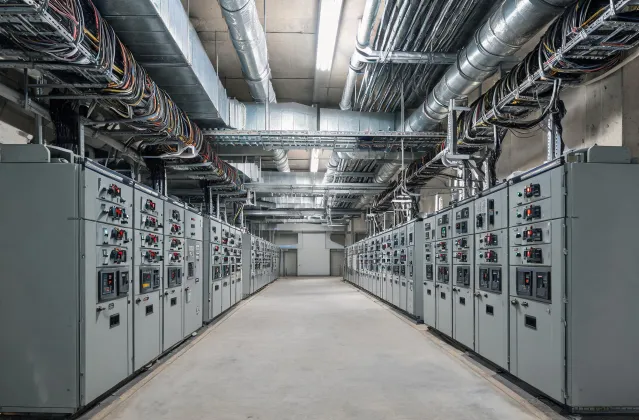
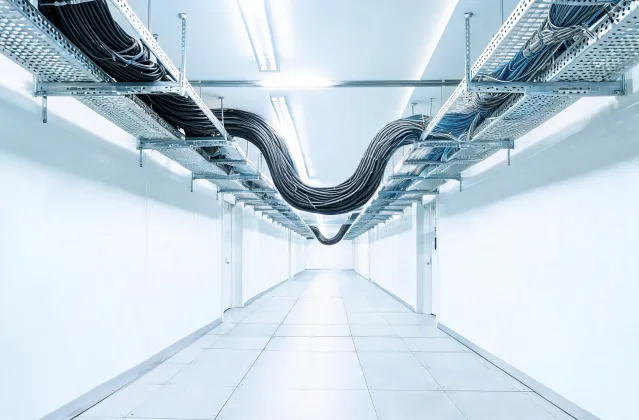
Cable tray in data center service corridor

Data centers

Dense cable populations require fill control, accessible expansion paths and coordinated drops. The background is a live service corridor; the process is route zoning and capacity review; the result is a schedule that preserves access rather than simply filling the widest tray.
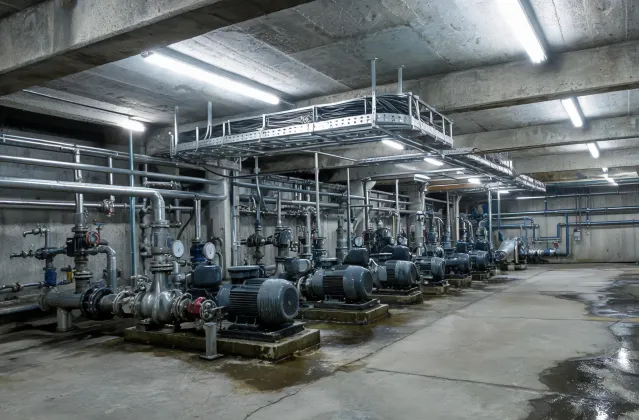
Stainless cable tray in water treatment plant

Water treatment

Moisture, treatment chemicals and washdown change material decisions. The review compares exposure zones, metallic interfaces and maintenance access; the output distinguishes protected indoor runs from harsher process areas.

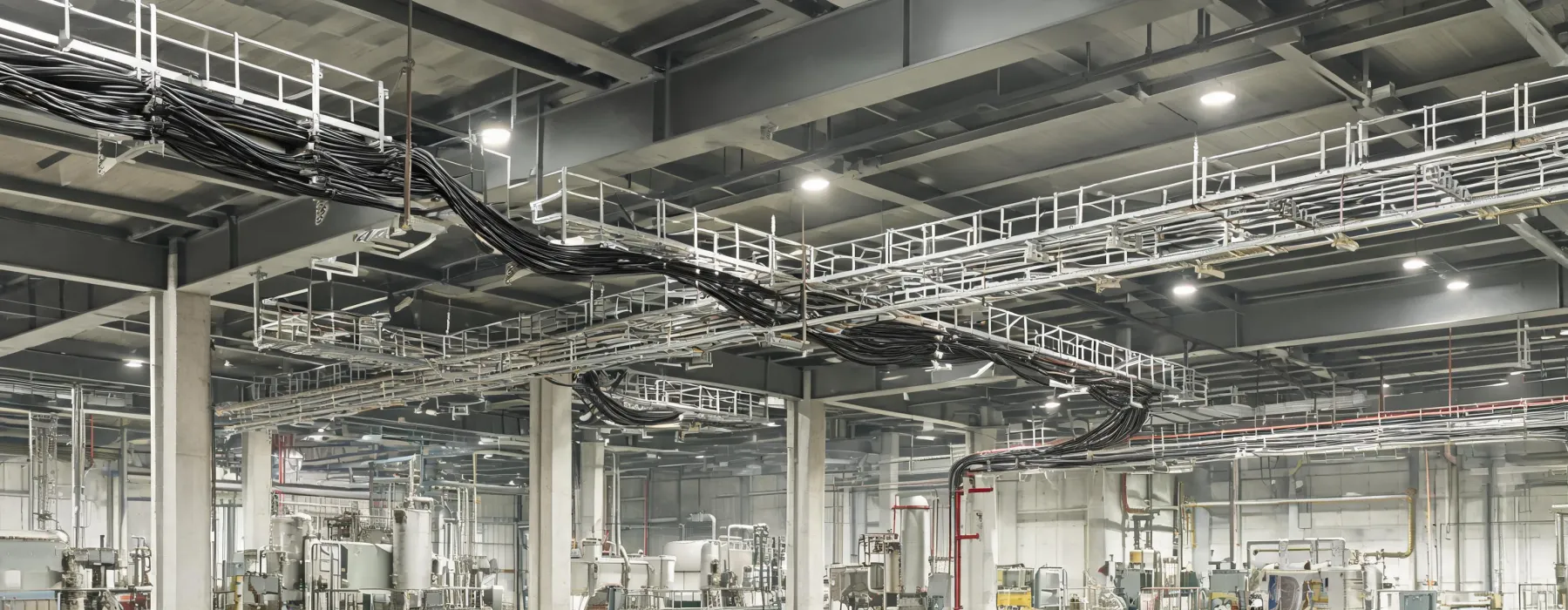
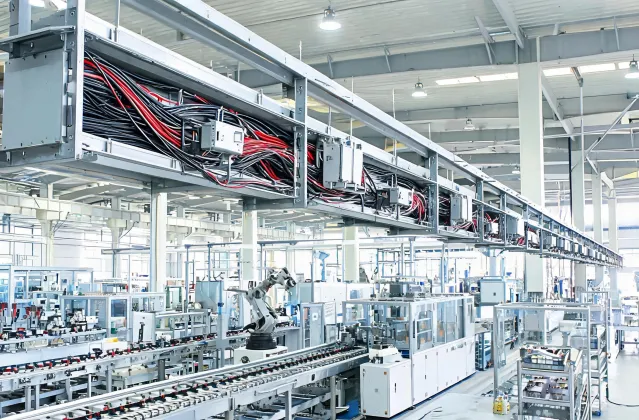
Cable tray along manufacturing line

OEM manufacturing

Frequent drops and future machine moves favor modular routes. Fitting counts, segregation and support locations are coordinated with production equipment so additions do not depend on improvised field transitions.

Cable tray in power generation facility

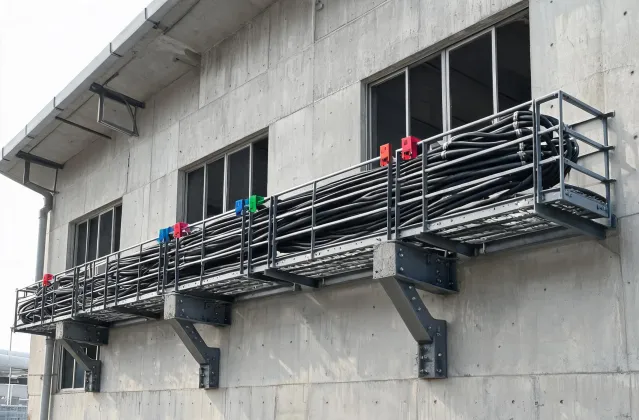
Power generation

Heavy conductors, long spans and critical circuits make load evidence and separation explicit. The tray schedule must be read alongside cable weights, support steel and project grounding details.

Outdoor cable tray at renewable energy site

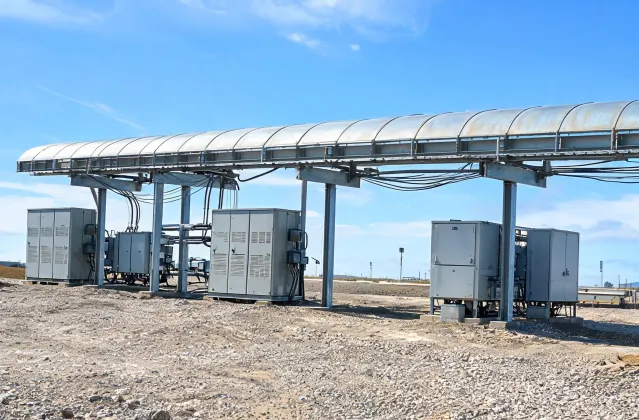
Renewable energy

Outdoor ultraviolet exposure, wind, drainage and dissimilar metals require a route-specific finish review. Covers can shield cables but add wind and support loads that must be included.

Cable tray above commercial plant room

Commercial infrastructure

Congested ceilings bring fire barriers, other services and maintenance clearances into the pathway decision. Coordination focuses on constructability and inspection access.

3core inputs: load, span, environment
4route checks: fill, fittings, support, bonding
1assumption register per reviewed schedule

Trade-offs that do not have one universal answer

Open ladder versus covered or solid construction: open designs improve ventilation and inspection, while covers or solid bottoms may address falling debris or particular cable needs; added weight, heat retention and wind loading must be considered. Aluminum versus galvanized or stainless steel: aluminum reduces handling weight and resists many environments, galvanized steel offers stiffness and familiar economics, and stainless serves demanding corrosion zones; galvanic contact, chemical exposure and support cost can reverse the apparent preference.

No route should be approved from industry name alone. Fire stopping, seismic restraint, hazardous locations, structural capacity and cable ampacity remain project-specific limitations.

Map the application before selecting the tray

Send a representative route and cable list for a constraints review.

Discuss an Application