Send a reviewable package
Include plan and elevation drawings, cable schedule, expected support spacing, finish constraints and required delivery sequence. If field dimensions are pending, identify them explicitly.
The intake is sorted into route geometry, mechanical loading, electrical coordination and commercial timing. Route geometry covers straight lengths, bends, tees, reducers and elevation changes. Mechanical loading covers distributed cable weight, concentrated drops, support span and any cover load. Electrical coordination records cable type, fill basis, segregation and bonding expectations. Commercial timing identifies submittal dates, release packages and phased delivery needs.
A preliminary response can identify missing evidence, but it cannot certify structural supports, cable ampacity, seismic restraint, fire stopping or hazardous-location compliance. Those decisions remain with the responsible design professionals and authorities. Where a series document is requested, state the destination market so certification applicability is checked rather than assumed.
For replacement work, include photographs, existing support spacing, tray dimensions, splice condition and the reason for replacement. Existing installations may contain field modifications that cannot be inferred from a legacy part number. A measured survey keeps the quotation separate from assumptions about the installed route.
- Engineering email
- [email protected]
- Telephone
- +1 800 555 0273
- Office
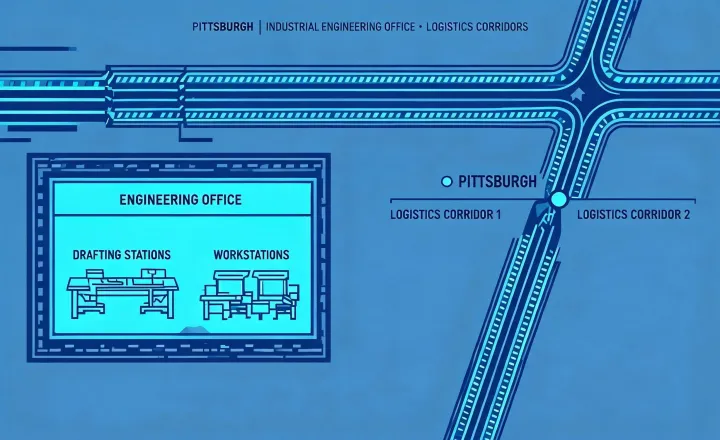
- 1120 Industrial Pathway Drive, Pittsburgh, PA 15222, USA
- Hours
- Monday–Friday, 08:00–17:00 Eastern Time
- Professional channel
- LinkedIn: Cope Cable Tray Engineering
Response scope: preliminary selection support is not a sealed structural design, authority approval or field verification. Urgent safety conditions should be handled through the responsible facility and licensed professionals.
Project inquiry
Describe the known constraints and the document or quotation needed. Attachments can be referenced in the message for follow-up.