Selection worksheet
Record tray construction, nominal width, side-rail depth, support span, cable weight, fitting radius and exposure. Missing fields remain visible so an estimate is not mistaken for a completed design.
Request worksheetSpecifications, selection tables and coordination notes
Use a structured evidence set to compare tray families, record project inputs and prepare a technically bounded submittal.
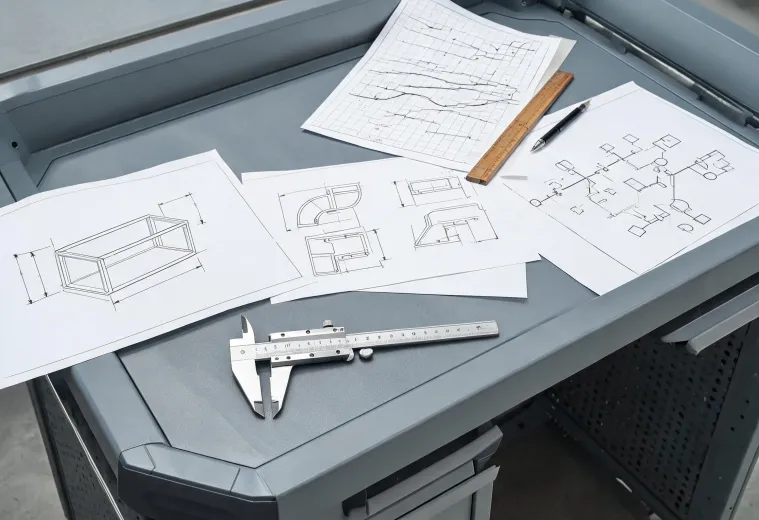
The dashboard mirrors the SUS-B chart-grid component but reports engineering readiness, not environmental pledges. Values are review checkpoints rather than product-performance claims.
Record tray construction, nominal width, side-rail depth, support span, cable weight, fitting radius and exposure. Missing fields remain visible so an estimate is not mistaken for a completed design.
Request worksheetIdentify the published test basis, allowable working load, support span and deflection convention together. Interpolation or altered support spacing requires an explicit engineering decision.
Ask about ratingsMap bends, tees, crosses, reducers, risers, splice points, covers and support proximity to the drawing route. Cable bend radius and pulling access remain separate inputs.
Review a routeDistinguish product construction guidance, installation guidance, electrical code and project specification. UL, IEC or other marks are never inferred; applicability must be confirmed for the selected series and market.
Verify documentsEach packet is organized around a decision point and lists the data required to reproduce that decision.
Method: establish distributed cable weight per unit length; add specified future allowance; identify concentrated loads; select the candidate span; compare with the exact series table; place supports near fittings as the installation guidance requires. Boundary: building steel and seismic restraint are outside the tray rating.
Request this noteMethod: divide the route into exposure zones; record moisture, salts, chemicals, temperature and metallic interfaces; compare aluminum, galvanized steel and stainless options; confirm compatible hardware. Boundary: generic corrosion categories cannot replace a chemical compatibility review.
Request this noteMethod: classify cables by type and circuit function, apply the governing code rules, document divider requirements and reserve policy, then verify the selected usable area. Boundary: tray fill does not itself establish conductor ampacity.
Request this noteRecord jurisdiction, electrical code edition, project specifications and authority requirements before using a catalog table.
Match series drawings, load/span data and material information to the proposed schedule. Do not transfer certification from a related family.
Coordinate supports, bonding, fire barriers, covers, cable entry and working access with other disciplines.
Resolve deviations and substitutions with the engineer of record before procurement or field installation.
Minimum initial cost versus spare capacity: a narrow, highly utilized route can reduce material, while reserve space may simplify future work; the correct margin depends on documented expansion plans and allowable fill. Long spans versus closer supports: fewer supports may reduce field labor, while deeper rails or heavier material can increase tray cost and concentrated-load sensitivity. Compare the complete installed system, not one line item.
State the tray family, project jurisdiction and decision you need to document.
Request Technical Documents