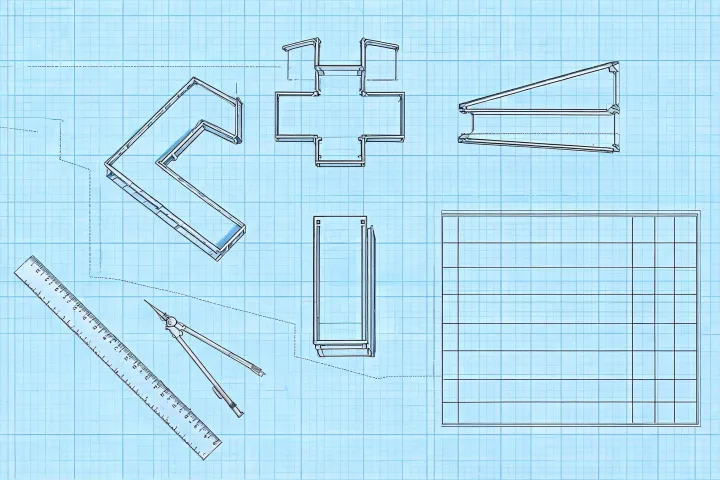
A specification desk for cable pathway decisions

About Cope Cable Tray

Our role is to make mechanical support choices legible to electrical designers, estimators, distributors and installation teams.

“A usable tray schedule connects cable fill, route geometry, support conditions, material exposure and field accessories without hiding the assumptions between them.”

Cope Cable Tray communicates at the level where procurement and engineering meet. A product family name alone does not establish capacity or suitability. The working record must identify construction, dimensions, load class, support span, finish, fitting radius, covers, splice hardware and bonding provisions. This disciplined approach reduces late substitutions and exposes the decisions that still belong to the engineer of record.

What the engineering review examines

Document discipline

Resource notes separate industry standards from product-series evidence. NEMA VE 1 provides a product framework, while NEMA VE 2 addresses installation guidance; applicable electrical codes govern cable fill and installation. Project specifications may add more restrictive requirements.

  • Selection worksheet — captures route, load, span and environmental inputs.
  • Fitting coordination sheet — records radii, transitions and quantities.
  • Submittal index — maps scheduled items to drawings and technical literature.
  • Exception register — identifies assumptions, deviations and pending approvals.

Limitations: laboratory ratings do not validate building structure; published finishes do not predict every chemical exposure; installation guidance does not supersede local code or approved project drawings.

Review the evidence behind the schedule

Bring the route, cable data and environmental constraints to a technical conversation.

Arrange an Engineering Review